CellRep:
AI-driven cell rejuvenation with small molecules
CellRep is developing an AI-powered platform that discovers small molecules to reprogram exhausted cells — restoring their function without genetic modification.
Our compounds act across multiple biological layers — epigenetic, transcriptional, metabolic, and signaling — dynamically enhancing cellular performance while preserving the cell’s original genetic code.
Results
Our lead program has demonstrated best-in-class enhancement of T cell function:
- 6.6x improvement in T cell polyfunctionality — the ability of immune cells to mount a coordinated, multi-cytokine attack
- 90.5% antitumor capacity against HER2+ solid tumor cells (vs. 62.6% untreated control)
- ~20% reduction in exhaustion markers — the molecular signatures of immune cell dysfunction
- Results validated independently at Baylor College of Medicine (Houston), IDCBIS (Bogotá), and CellRep laboratories
These improvements are achieved by adding our compounds during the CAR-T manufacturing process only — they are washed out before the cells reach the patient.
Regulatory Advantage
Because our small molecules are used ex vivo — during manufacturing, not administered to patients — they are classified as manufacturing reagents under FDA regulations (21 CFR Part 1271), not as standalone drugs. This means no separate IND is required; our compounds are incorporated under existing clinical protocols.
This compresses the path from lab to patients dramatically compared to traditional drug development — and is a key reason we can target first-in-human trials at Baylor College of Medicine in 2026.
The Science of Cellular Exhaustion
When T cells fight chronic threats — whether cancer, persistent viral infections, or the effects of aging — they progressively lose function. They express exhaustion markers, reduce cytokine production, and eventually stop responding. This exhaustion is the primary reason CAR-T therapy fails against solid tumors.
Our approach targets this exhaustion at its molecular source. Rather than editing the cell’s DNA, our small molecules shift the cell’s gene expression program back toward a younger, more functional state — increasing polyfunctionality, enhancing persistence, and restoring the stem-like properties that make T cells effective long-term fighters.
We’ve validated this not only in CAR-T cells for cancer but also in T cells from patients with chronic viral infections (HBV/HIV), confirming that the mechanism works across multiple contexts of immune exhaustion.
Our Integrated Platform
CellRep’s discovery engine operates across three dimensions:
- In Silico: AI models screen molecular libraries against proprietary target profiles to predict compounds with high selectivity and low off-target interactions. Our platform identified our lead compound from over a billion candidate structures.
- In Vitro: Rapid biological validation using human T cells, with standardized functional assays measuring polyfunctionality, exhaustion markers, and proliferative capacity.
- In Vivo: Preclinical models including CAR-T coculture with tumor cells and chronic viral infection models, confirming that in vitro improvements translate to real anti-disease activity.
This integrated loop — predict, test, optimize — allows us to systematically improve compound performance. Our compound series shows a clear progression: each generation outperforms the last, demonstrating that this is a platform, not a single discovery.
Why Small Molecules
In a field increasingly focused on gene editing and RNA-based approaches, our small molecule platform offers structural advantages:
- No genetic modification: Reversible epigenetic changes, not permanent DNA edits — reducing safety risk and regulatory complexity
- Manufacturing compatibility: Drops directly into existing CAR-T production workflows without specialized infrastructure
- Scalability: Small molecules are manufactured at industrial scale using established pharmaceutical processes
- Flexibility: The same platform can discover compounds for different cell types and therapeutic contexts
Beyond Cancer Immunotherapy
Our immediate priority is clear: enhance CAR-T therapy for solid tumors and reach human validation. But the underlying science — restoring function to exhausted cells — has implications far beyond oncology.
The same mechanisms that exhaust T cells in cancer drive immune dysfunction in chronic infections, autoimmune disease, and aging. By building a validated platform around cellular rejuvenation today, we are laying the groundwork for applications in regenerative medicine and cellular longevity tomorrow.
Reprogramming the Future of Medicine
From cancer immunotherapy to cellular longevity — we’re not editing cells, we’re teaching them to heal themselves.
Join us in revolutionizing how we treat disease and age
Meet Our Team
Our team is built of experienced immunologists, biochemists and bioinformatic engineers working together to deliver the best solutions to improve current and future cell therapies.

Alfonso Amat
CEO & Co-Founder
Alfonso is an entrepreneur and technology executive with 28 years of experience building and scaling successful ventures. Graduating in the top 10 of his Electronic Engineering class, he rapidly advanced to managing major IT projects by age 22 and pioneering data center services across Latin America for a Fidelity Investments-backed startup at 24. At Telefónica, he grew the convergent business twentyfold in five years as Head of Product Marketing.
In 2012, Alfonso founded IAMAT, developing AI and real-time interaction systems for clients such as Verizon, the Olympic Games Committee, and Lionel Messi’s global digital presence—leading to its acquisition by Globant (NYSE: GLOB) in 2018. After six years at AWS supporting the growth of Latin America’s startup ecosystem, Alfonso co-founded CellRep to return to his early passion at the intersection of technology and biology, building innovative platforms that make cell therapies more accessible and effective.
Soledad Hielpos
CSO & Co-Founder
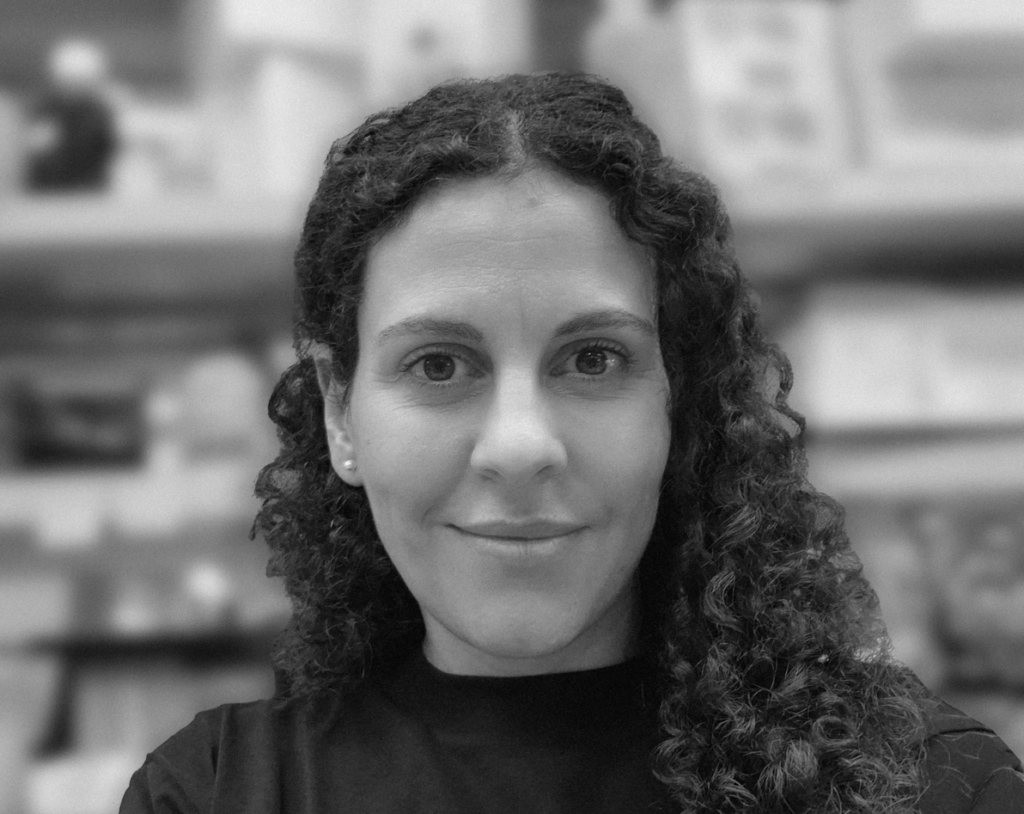
Soledad works across all three layers of our platform: AI models, in vitro validation and in vivo studies. A biochemist with a PhD from the University of Buenos Aires, where her doctoral work focused on innate immune responses to infection, she did her postdoctoral research at INSERM U1047 in Nîmes, France, studying how pathogens reprogram human cell function and working with viral vector transgenesis in a BSL-3 laboratory. She has published in journals including Frontiers in Immunology, Cellular Microbiology and PLoS ONE.
She then spent several years leading AI and data science work at Accenture and EPAM, building machine learning models and managing data science teams. She joined CellRep in 2024, and since January 2026 she has led our CAR-T program embedded at Baylor College of Medicine in Houston, running the in vitro and in vivo studies that define our development path.
Manuel Franco Cortés
CCO & Co-Founder
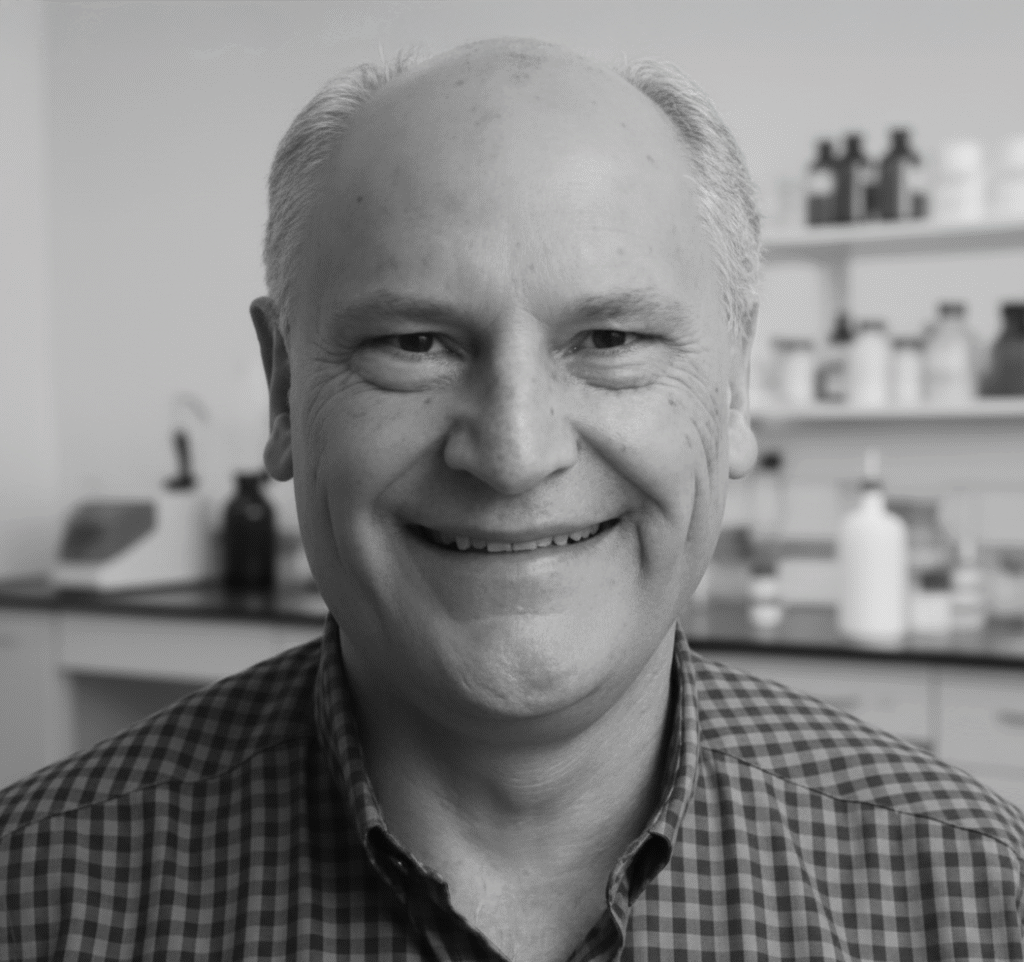
Manuel is a Medical Doctor and PhD in Immunology, with postdoctoral training at Stanford University. He has extensive experience in vaccine and immunotherapy research, with a focus on improving T cell response efficacy.
Julian Ganzabal
CAIO & Co-Founder
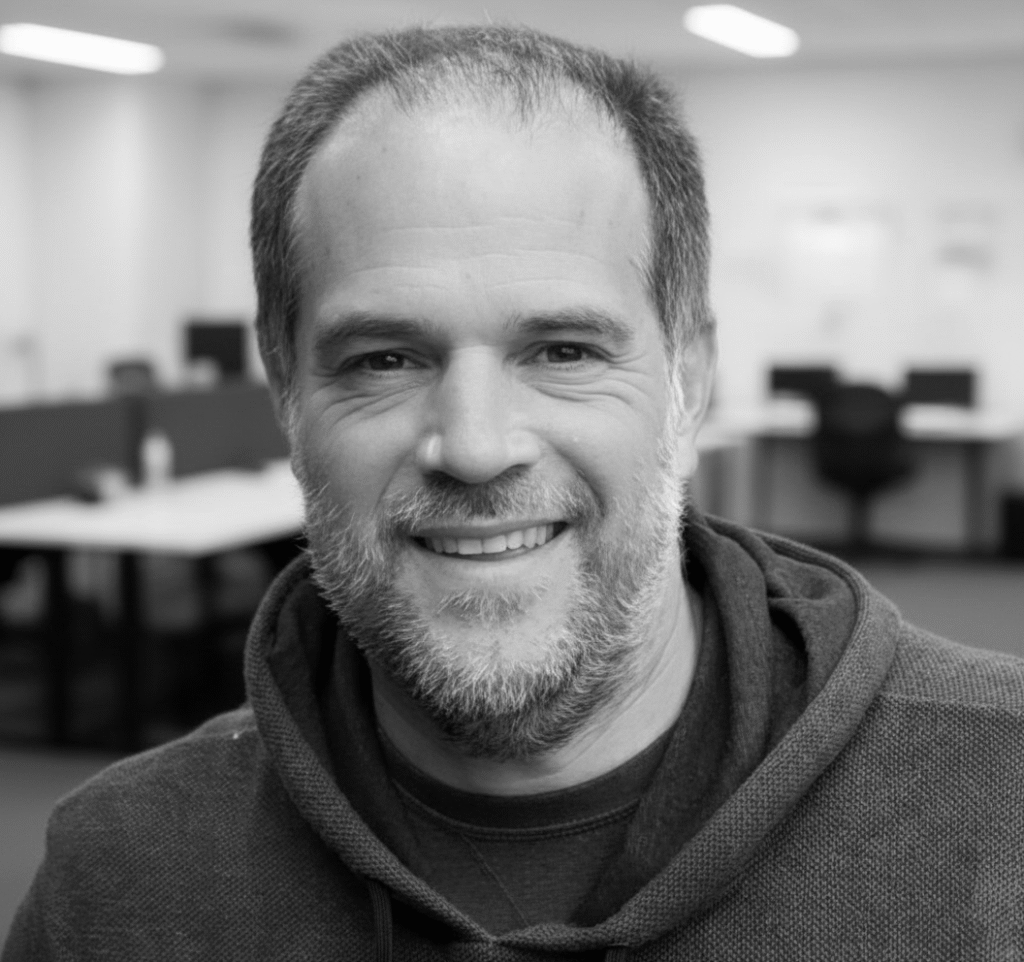
Julian is an Electronic Engineer and experienced Machine Learning specialist, focused on the full ML lifecycle (MLOps), model design, and deployment. He is a professor at the Instituto Tecnológico de Buenos Aires (ITBA), where he co-directs and teaches the Deep Learning degree program. With over 25 years of experience, Julian is committed to advancing AI-driven solutions in biomedical research and beyond.

Luca Gattinoni
Advisor
Luca Gattinoni, M.D., holds the Chair for Functional Immune Cell Modulation at the University of Regensburg and directs a division at the Leibniz Institute for Immunotherapy. He earned his medical degree from the University of Milan (1998) and completed oncology residency at the National Cancer Institute in Milan (2003). At the U.S. National Cancer Institute, he conducted postdoctoral research under Dr. Nicholas Restifo (2003–2008), later serving as Staff Scientist (2008–2013) and Stadtman Investigator (2013–2019).
His research focuses on harnessing T cells to treat cancer. He discovered human stem cell memory T cells (Tscm) and has translated this into clinical adoptive cell therapy strategies. His lab investigates molecular and metabolic mechanisms underlying T cell stemness to improve immunotherapy effectiveness. He has published over 100 papers and received multiple awards, including the SITC Presidential Award (2004), Wilson S. Stone Memorial Award (2012), and NCI Director’s Intramural Innovation Award (2013).
Who
support us